Starter Current Draw Test
Uses an amp clamp to measure exactly how much current the starter pulls, separating a failing starter from a failing engine.
What this test tells you
When to use it
- Cranking voltage is low but the battery has been proven good
- The starter or its cable gets hot
- You need to decide between a starter fault and an engine mechanical problem
Safety
- Route the clamp lead away from belts and the fan before cranking
- Do not clamp around a cable you have not identified
- Keep clear of the exhaust manifold
Vehicle setup
- Battery fully charged
- Engine at the temperature the complaint occurs at
- Disable fuelling or ignition if extended cranking is needed
Meter setup
- Tool
- High-current amp clamp
- Function
- DC amps
- Range
- 600 A or higher, min/max enabled
- Sockets
- Clamp output into the meter, or a clamp with its own display
Practise it — interactive simulation
Starter current draw
Clamp the feed cable and read what the starter actually pulls.
- GND — Battery → BPOS
- BPOS — Starter feed (clamp here) → SOLB
- SOLB — Solenoid contacts → SOLM
- SOLM — Starter motor → SGND
- SGND — Engine earth strap → GND
Loading the interactive circuit…
RED Clamp around the main positive starter cable only, arrow pointing towards the starter
BLACK n/a — the clamp reads the magnetic field, no circuit break needed
Zero the clamp before closing it around the cable
Step by step
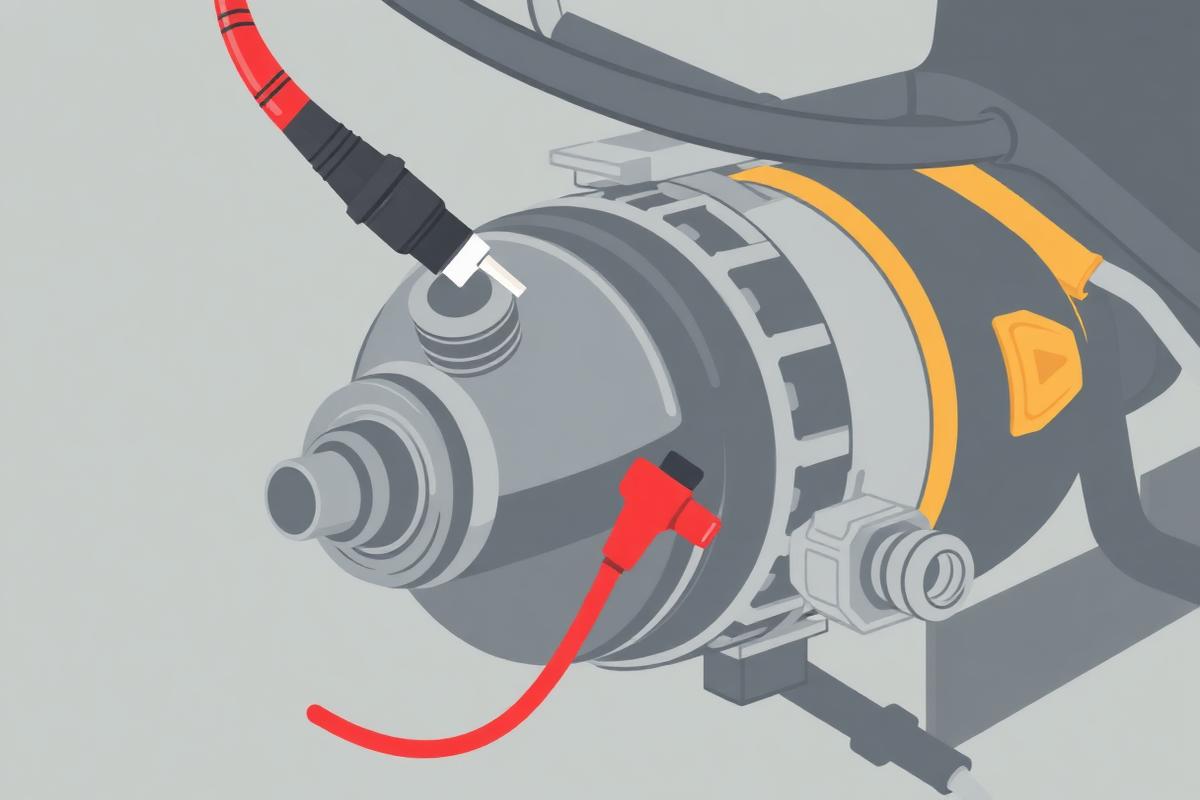
Step 1 · Check the basics
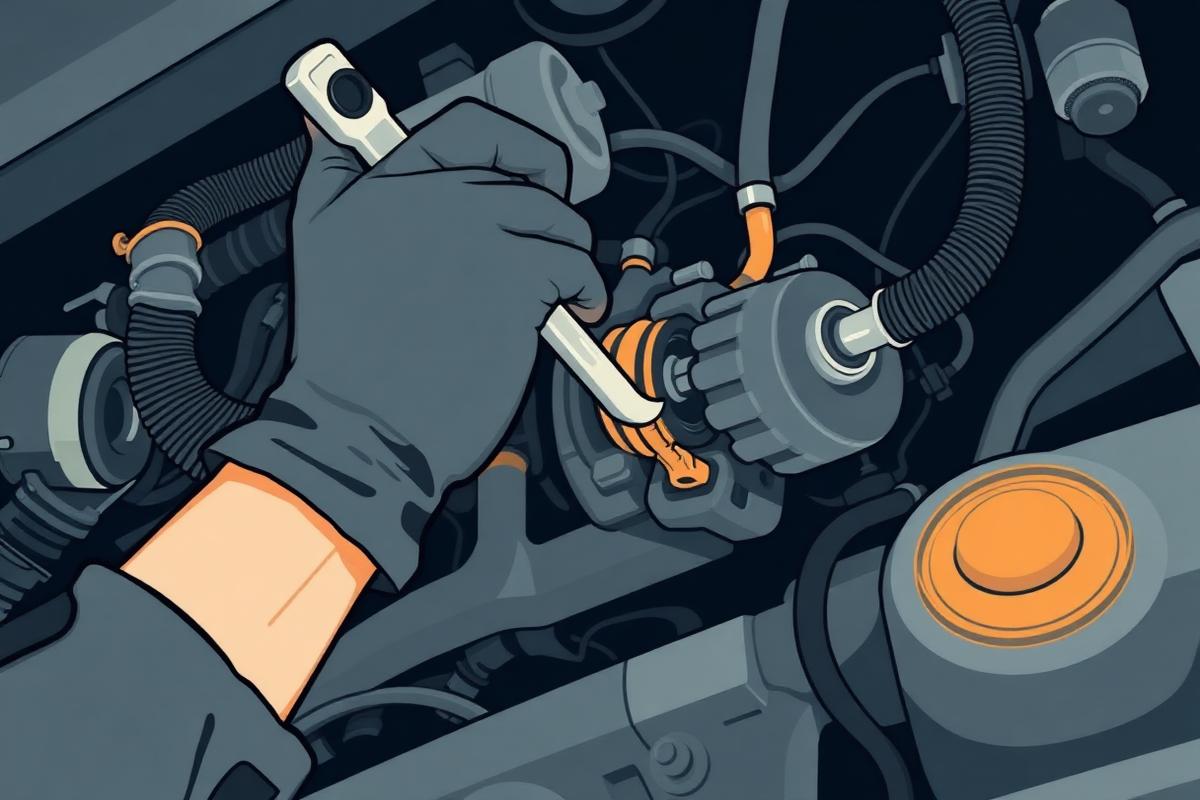
Good battery, tight cables, engine turns freely by hand. A seized engine will read as a faulty starter every time.
Procedure
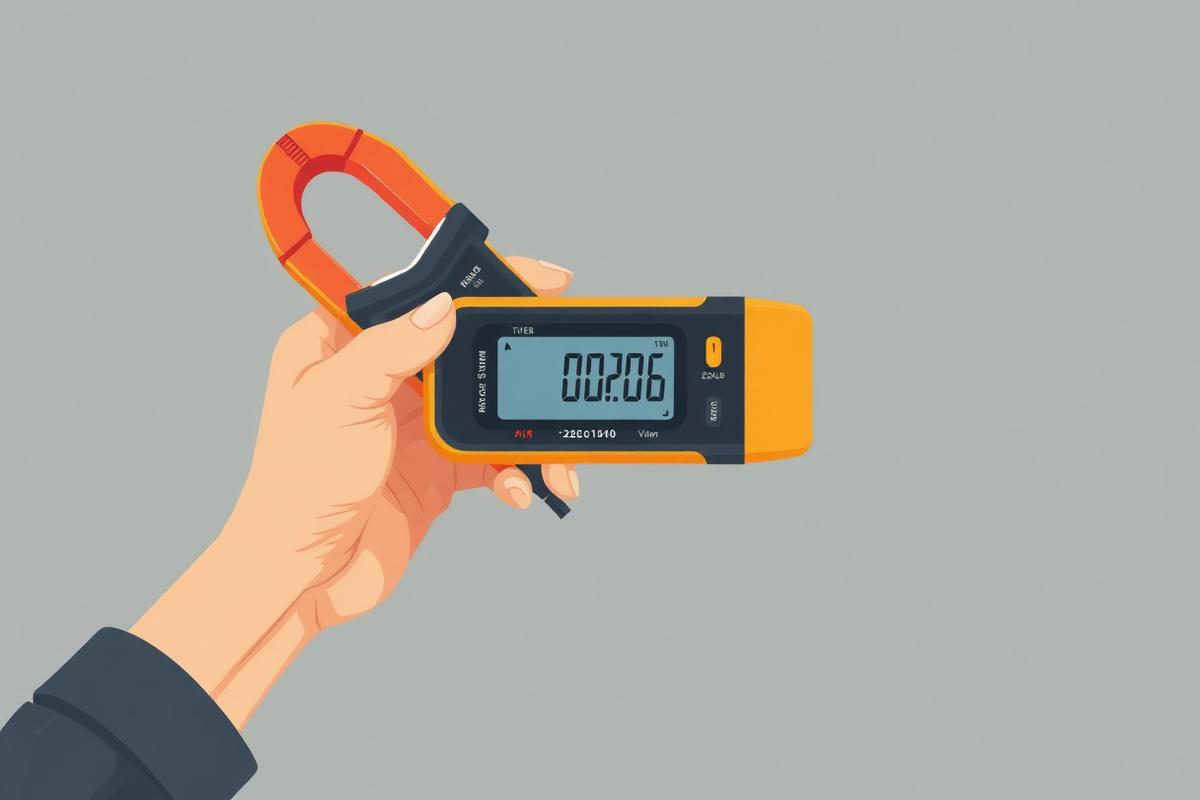
- Zero the clamp with the jaws closed and away from any conductor
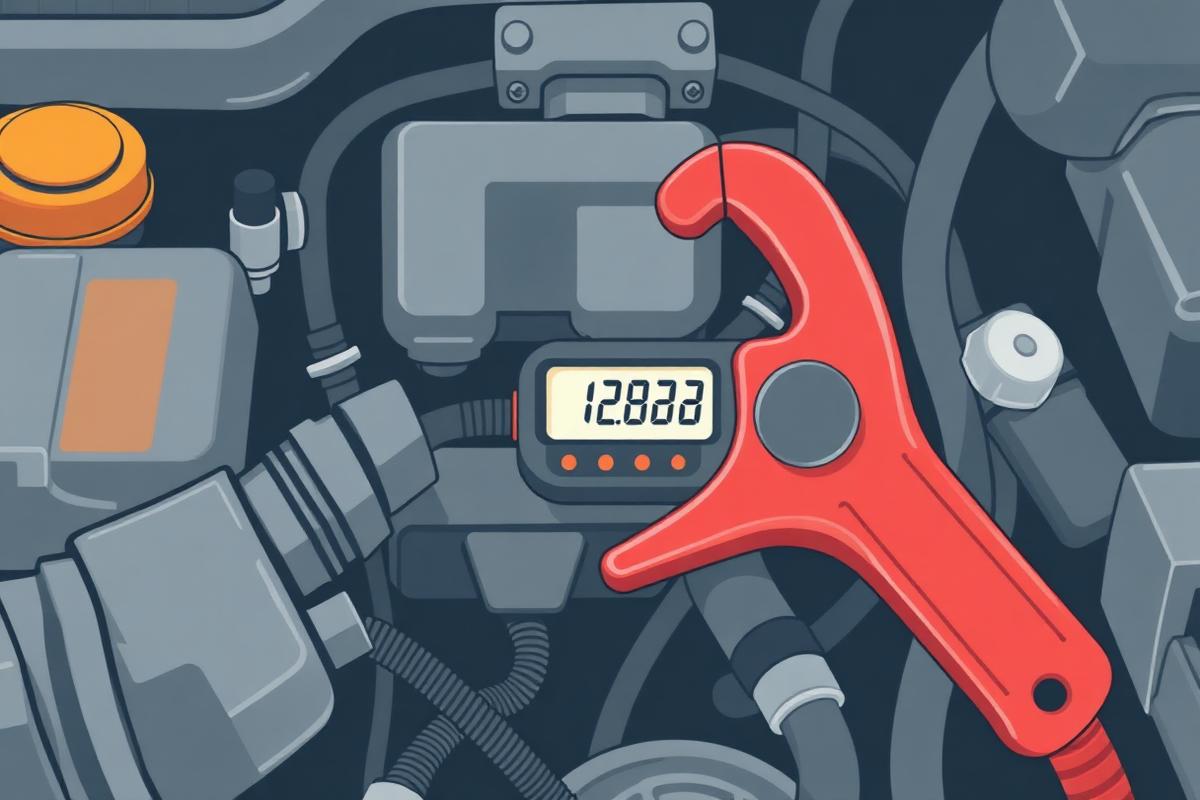
- Clamp around one starter cable only, observing the direction arrow
- Set min/max recording
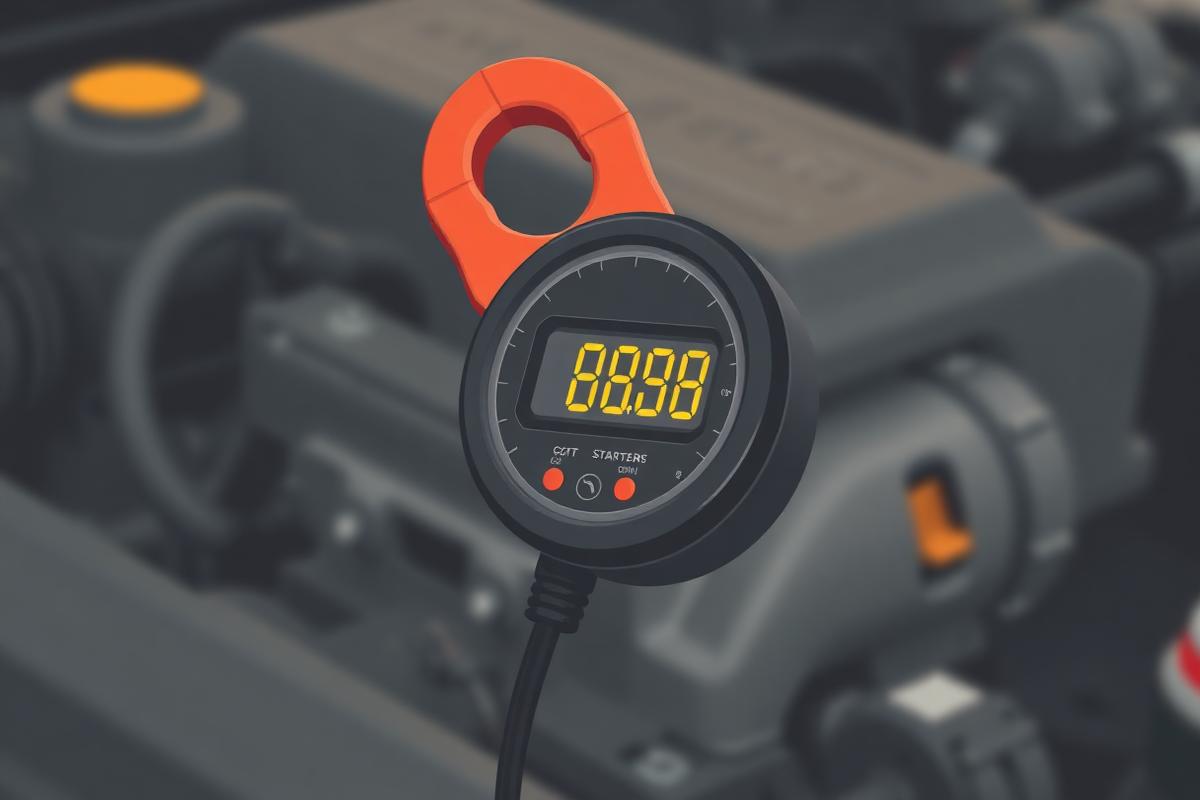
- Crank the engine for around five seconds
- Record the peak inrush and the steady cranking current
- Compare with the manufacturer's figure for that engine
Normal result
Roughly 60 to 150 A steady cranking on a small petrol engine and 150 to 300 A on a larger diesel, with a brief higher inrush spike as the starter first turns. Always compare with the specification for the engine.
Fault result
Substantially above specification, or clearly below it while the engine cranks slowly.
Interpretation
IfCurrent high, cranking slow
ThenExcessive drag — a failing starter, or engine mechanical resistance such as a seizing component
NextRemove the starter and turn the engine by hand to separate the two
IfCurrent low, cranking slow
ThenResistance in the supply or ground is limiting the current
NextVoltage drop test the starter feed and ground under cranking load
IfCurrent within specification, cranking normal
ThenThe starting circuit is healthy
NextLook at fuel, spark or compression for a no-start complaint
IfAlmost no current with a single click
ThenThe solenoid pulls in but the main contacts are not passing current, or the motor is open
NextTest at the starter main terminal while cranking
Common mistakes
- Clamping both battery cables together, which cancels the field and reads near zero
- Forgetting to zero the clamp, giving an offset reading
- Ignoring the direction arrow and reading a negative value
- Comparing a cold engine reading to a hot engine specification